

📹 This is the Director’s Cut for Chapter 2 of MAY WE PLEASE THE SEA: You can watch the video or read the transcript below. Same content, and don’t worry, I brought pictures!
🌊 Chapter 2 went out last Saturday. Read it (or listen to the audio version 🔊) now if you haven’t yet!
🔒 The video is only for In the Cave members, but I saved you the first half of the transcript below!
Hello there. Are you excited for the Director’s Cut for Chapter Two? I am.
And don’t worry, I brought my notes.
A scene I wrote in a day
What’s funny about Chapter Two is this draft was from 2023, I had an agent at the time, and I remember this so specifically because I had a speaking event coming up. It was going to be the very first event that I was invited to read my chapter at, and I had my chapter locked. It was going to be Chapter One.
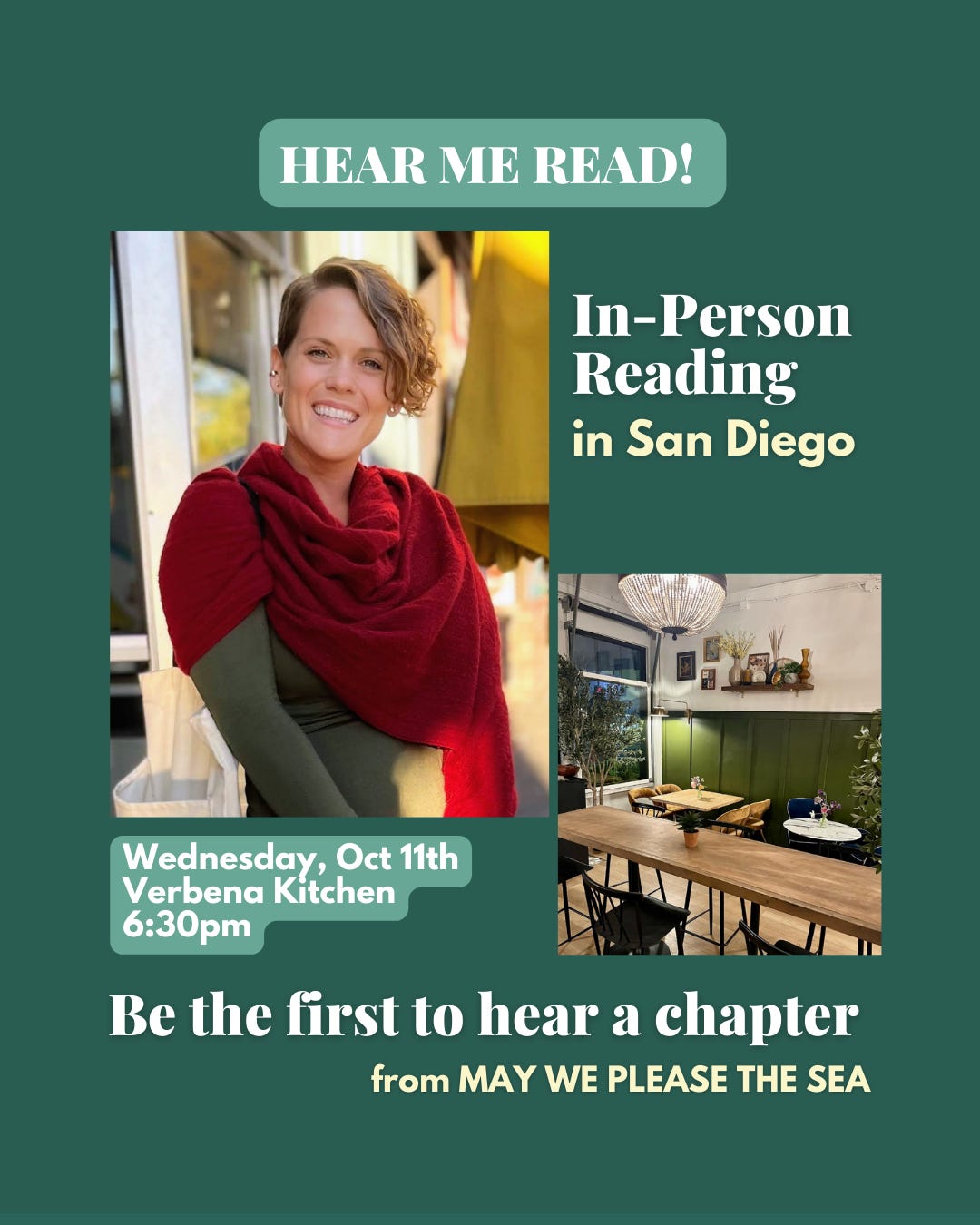
And then my agent wanted a chapter showing the relationship with the little sister. Because I believe originally I had Easla going straight to the offering.
There wasn’t that palm tree moment.
And I wrote this scene in a day. Because I knew the world so well, I was like, “Okay, my agent wants to see the little sister. She wants to see the world. Let’s look what happens.” She comes off the dock. Oh, there’s little girls. She comes off here. Oh, this happens. And it was so easy to have her just explore the village.
But it’s funny, because I have scenes that I’ve revised and revised, and then I have scenes like this where I just — one and done. I wrote this scene, and then I went and read it at this speaking event the next week. Usually I’ve revised my scenes and polished them, and I was just like, “I’m going to read this brand new scene instead.”
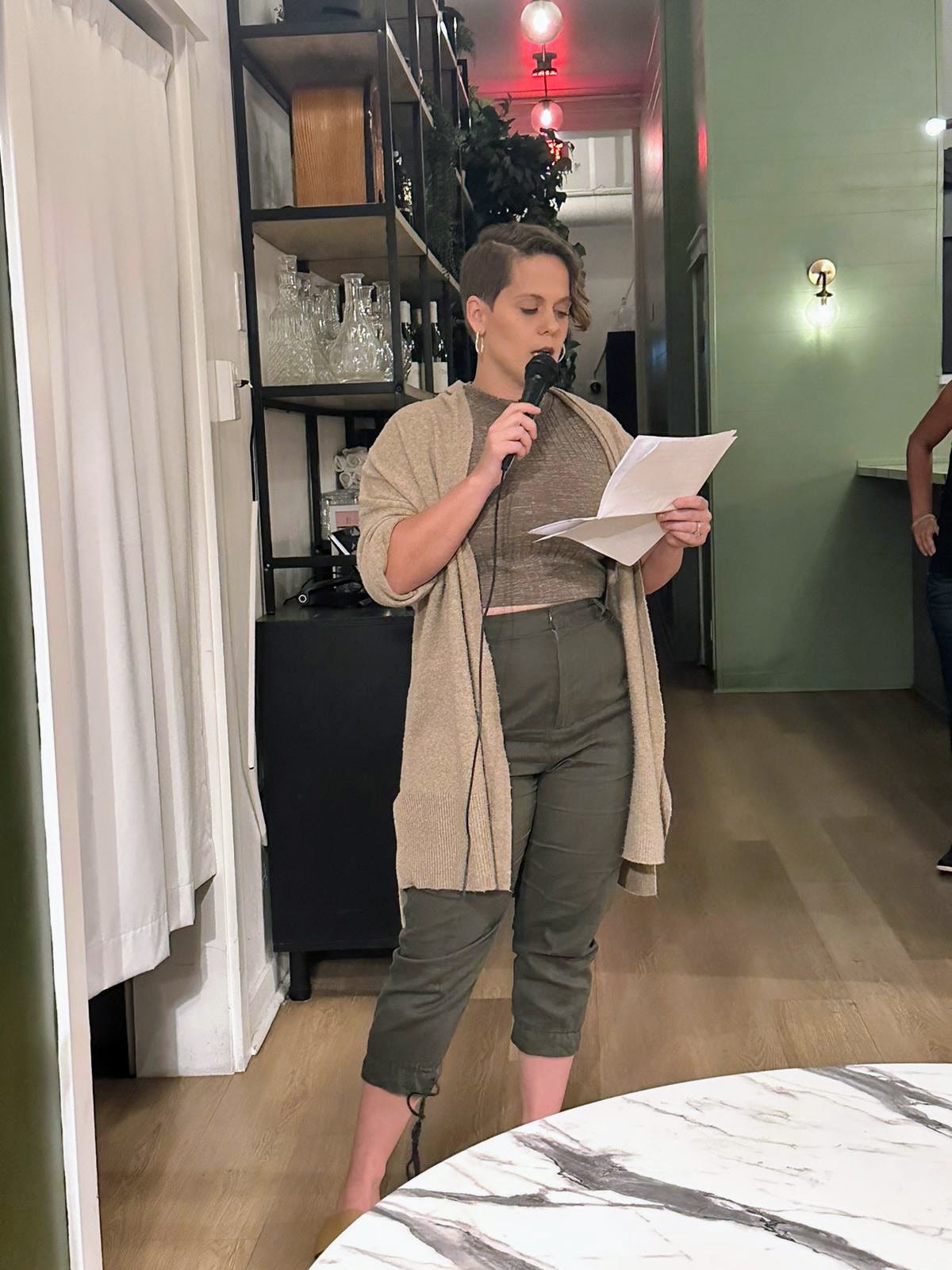
And so I really remember that, because I think it’s interesting: some scenes need so much work and changing, and this scene just came out and stayed as-is.
All the intonations and a sore throat
Another funny thing is my mom and one of my sisters were in town. They weren’t there for the event. They were there a week before, and I made them listen to me reread my chapter over and over again. Not for the content, but to practice how I would speak.
Bless their hearts. Thank you for family. I think I reread the same sentence with five different intonations, and they sat there on the couch and nodded and were so supportive.
And then I lost my voice, because I was trying to sound a certain way. I am not a voice actor, but I was clearly straining my throat, and then I had a sore throat from practicing trying to sound cool.
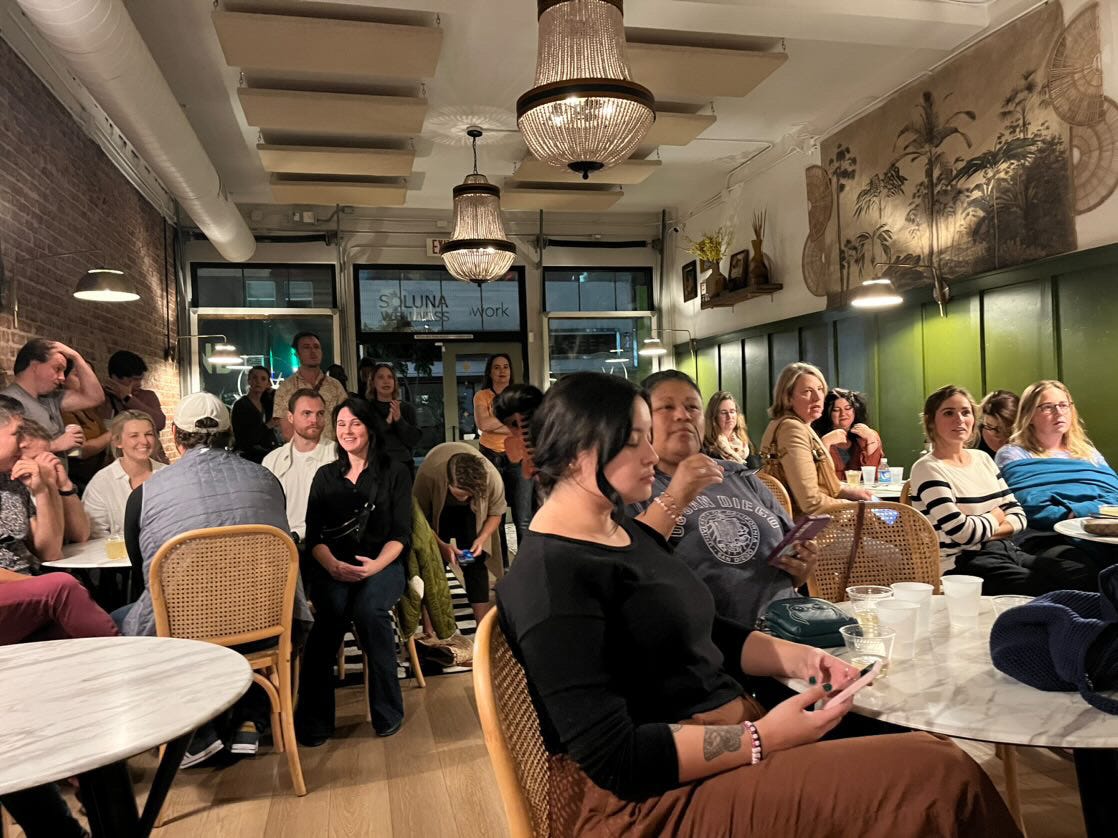
So now this is my voice. I’ve learned I’m just going to speak with my voice.
But I almost sounded really cool until I hurt my throat.
Multiple courses on lobsters for one line
There’s a sentence right in the opening that talks about her grabbing her sister’s hand like she’s grabbing for a lobster in the rocks.

And again, it’s just one line, but I need you to know that I went lobstering.
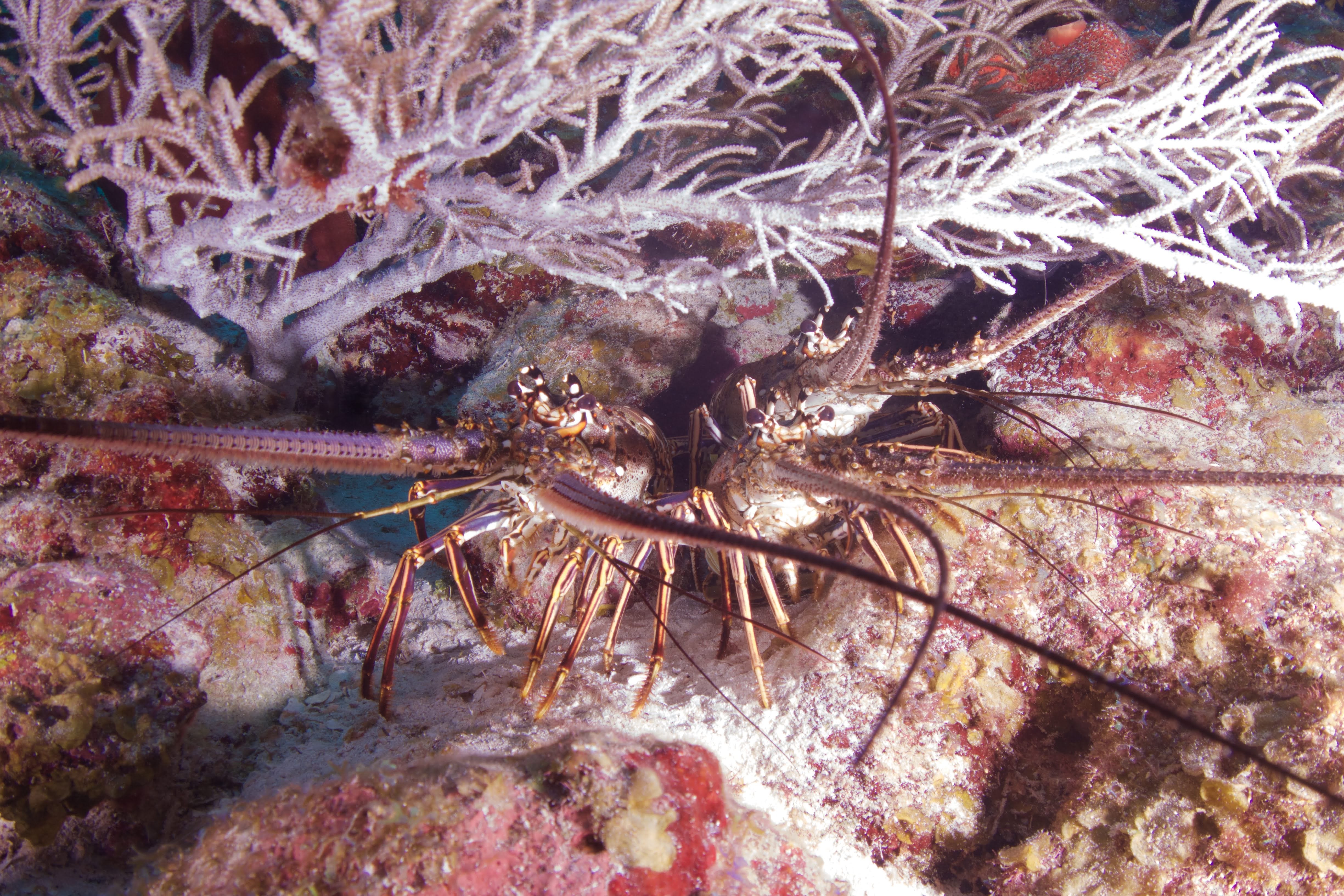
And it’s so cool how these experiences can then come into one single line. For some people maybe that doesn’t mean much. But when you’re lobstering, they move so quickly away that when you see one, you just have to go for it. If you reach for it tentatively, it’s going to scoot away.
So you have to just — gah — and grab it. And it’s kind of scary in the moment, and then it squeaks at you and makes this clicking sound. But you just have to commit.
I did a lobstering course here in San Diego at this local reserve, and it was so much fun, and I’m catching all of them. But you can’t keep them, because it’s a protected reserve. And I think the lobsters knew that. They were really chill. So I’m grabbing all these lobsters. I’m feeling so confident.
And then David and I have our anniversary coming up, and I’m like, “For our anniversary, let’s go lobstering,” as one does.
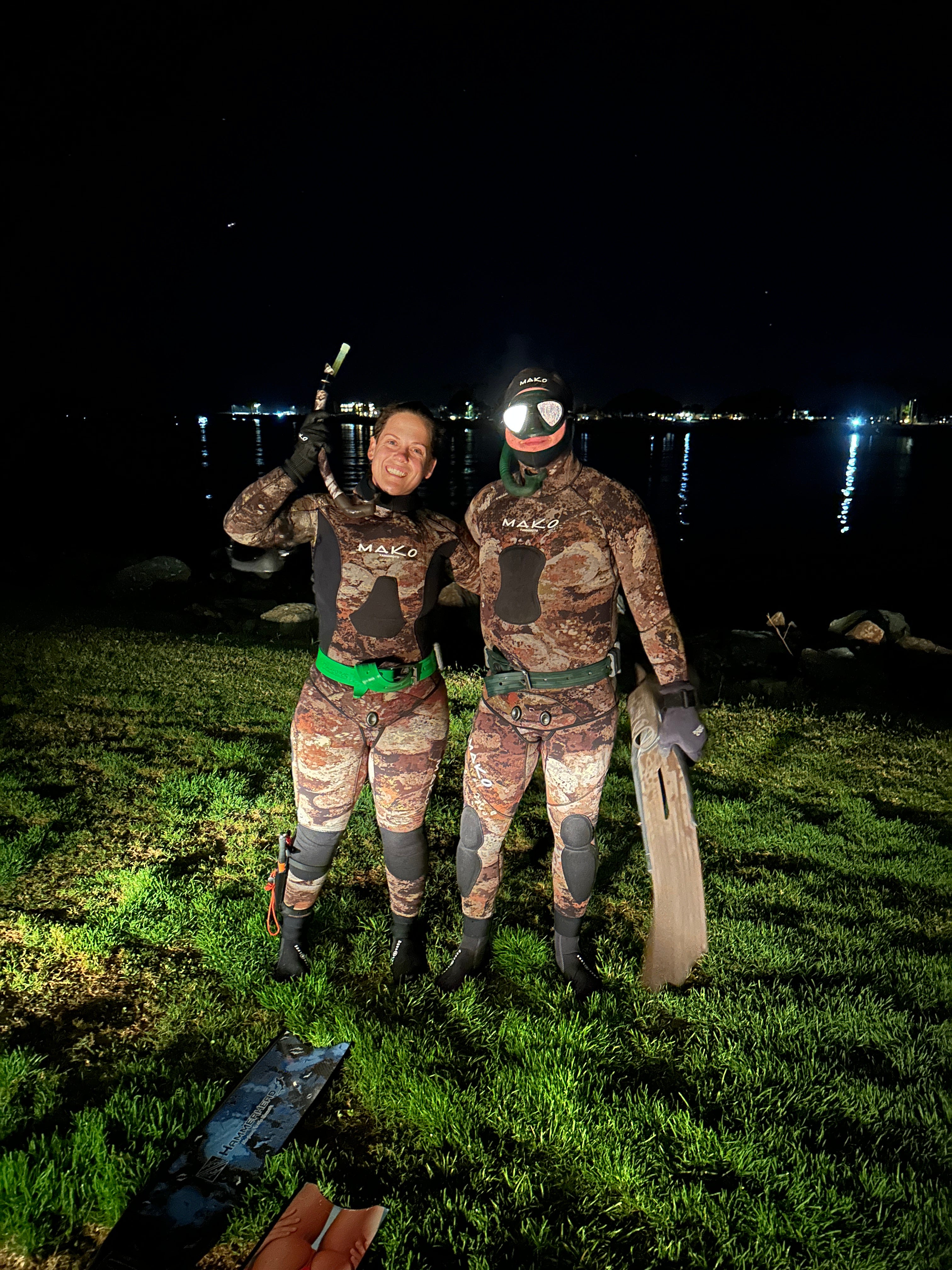
And we book a guide. He takes us to an area where we can actually keep the lobster, and we bring a cooler. I’m ready. And I think we barely saw any lobsters, and when we did, they all swam away, because they’re not safe there.
And so we got zero lobsters.
So I think I need to go back to the reserve.
There you go. Multiple courses on lobsters for one line. You just gotta grab them.
The fraying rope of her nerves
Something I really had fun with in this book is thinking about her frame of view, her reference for describing things. She has no technology. She wouldn’t use the same words we would. So when she’s frustrated — like this line, “the fraying rope of her nerves” — it was fun to filter everything through her world.

You’ll see as she talks, everything is anchored by water, and ocean, and the tasks she does. And it’s really fun to play with that later, when we go underwater, and these people would use completely different words than her.
So, just geeking out a little on words.
You cannot cut the braid
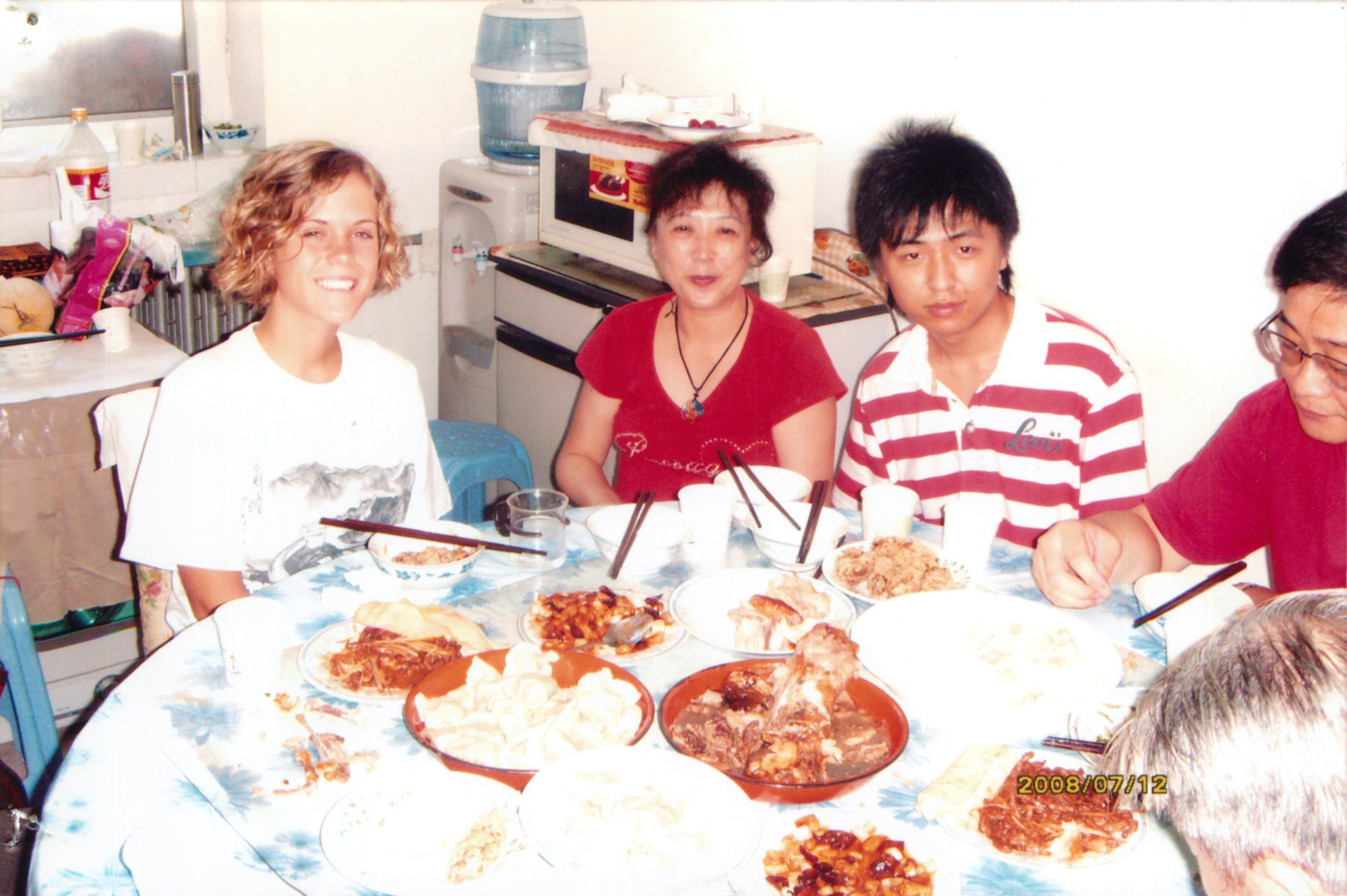
There’s this line about “the braid is the seaweed,” and that came to me as I was creating this religion. There’s so many fun things to pull from, but I used to study in Mainland China, and around Lunar New Year, there is this superstition that when you’re eating noodles, you shouldn’t cut them, because the noodle represents longevity and long life. And if you cut it, especially around Lunar New Year, that’s really bad luck.
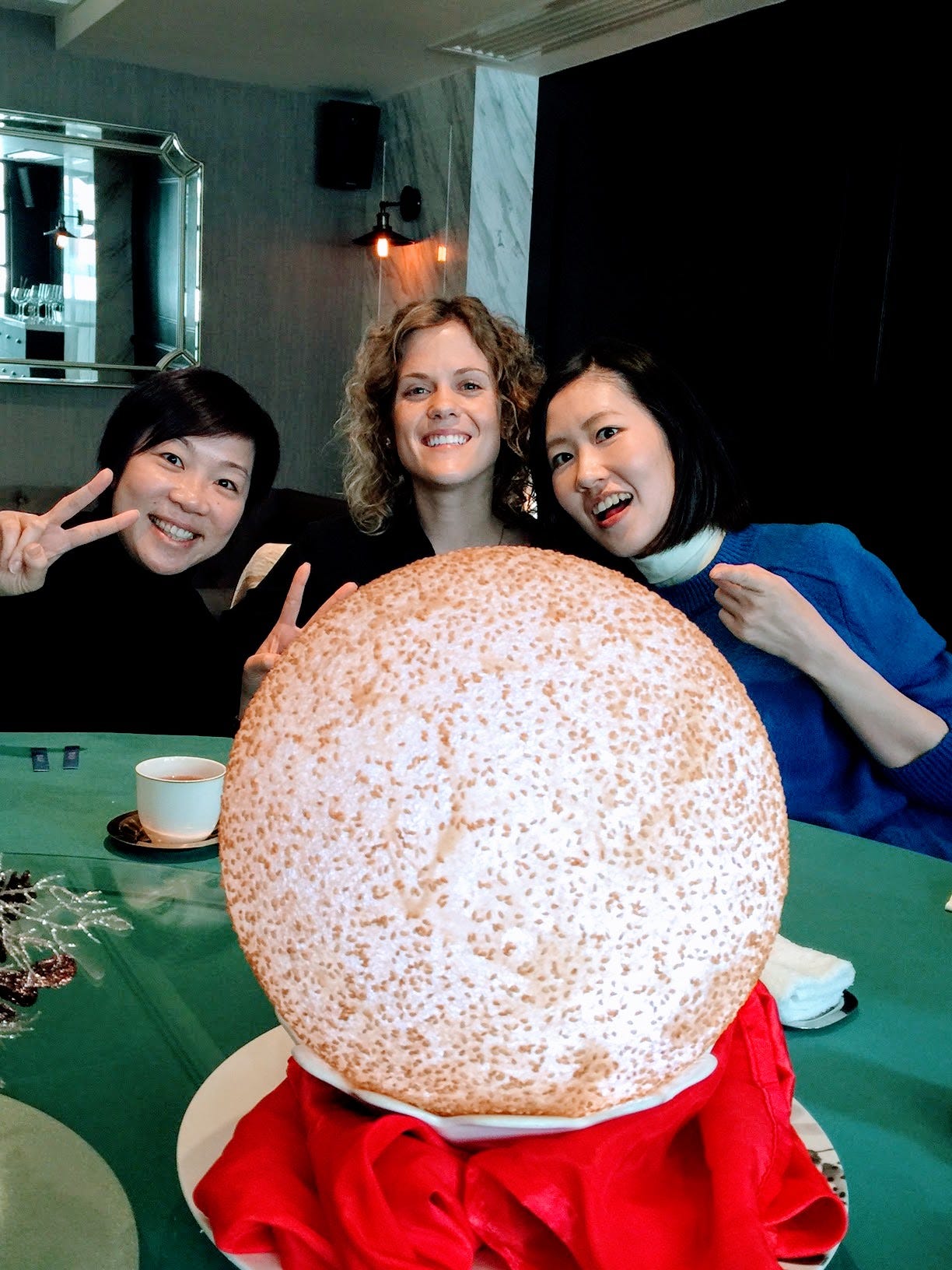
And so on this island, they have this annual harvest of seaweed. They worship the gods. And they wear their hair in this long braid to represent the seaweed, and you cannot cut the braid.
And it’s funny to think about these little belief systems, and how they come from real things. That there may be similar beliefs across different countries, whether it’s religious or superstitious.
Zhúzi, Joot
Joot is based on a real drink: actual fermented bamboo sap. They drink it in East and Southern Africa, and it’s called ulanzi.

And I called it joot. I didn’t realize how much I pulled from Chinese, but in Chinese, bamboo is zhúzi (竹子).
So I just — zhúzi, jute. joot.
The Holy Crone’s face
I’ll talk more about the Holy Crone in a future chapter. But in terms of that description of her face: you’ll notice she’s described as being really old, with folds of skin and sun damage. And then she’s also mentioned as being 40-something cycles old, 40-something harvests old.

Which — you’re like, “Wait, she’s only 40? She’s young 40s and she looks like that?”
Upgrade to In the Cave to keep reading:
Why the Holy Crone looks like that — the real photo that inspired her face
The mangrove throne — the real chair I sat in, and why Easla gets weird about chairs later
The character name one reader didn’t get — you tell me if it’s obvious
My 2019 notebook, including population math, a remote island I forgot I researched, and a page that just says “Incest!! To fix.”
The one piece of writing advice I’d give anyone starting a first draft
The love interest I forgot I’d named Fletcher — and a surprise guest appearance
Plus the full video.
