


🌊 Chapter One of MAY WE PLEASE THE SEA went out last Saturday. Read it (or listen to the audio version 🔊) now if you haven’t yet!

📹 This is the Director’s Cut for Chapter 1: the research, the rabbit holes, the drawings I hadn’t looked at since 2019, and all the stuff that shows up (even if just one line) in the book. You can watch the video or read the transcript below. Same content, and don’t worry, I brought pictures!
Hi, this is our very first Director’s Cut.
Are you excited? I am. I even brought notes.
Before we dive into the behind the scenes of the first chapter of MAY WE PLEASE THE SEA, I’d like to say: sharing a chapter for free to everyone I know on my newsletter is way scarier than when I was planning on self-publishing this book. It feels so much more intimate, because I know exactly who’s on this list, who could see this chapter. And it’s free, which means anyone can read it. Which is a great thing, but also scary.
As you read this first chapter, remember that I wrote this book in four acts and I got feedback from a very trusted reader saying they think it should be a series, not one book. So I’m going to split it into four books — which means as you read, give feedback, give comments, tell me what you’re liking, what you want more of, where you’re bored, where you’re confused. That’s going to help me as I revise into this new version.
I’m going to give you some fun nuggets throughout the scene. And if any of them really interest you, let me know and I can do a deep dive on these topics.
“Maybe you should write the book first”
I came up with this book in 2019 — and I actually hadn’t come up with the book yet.
I told a really good friend that I was going to quit my job to write a book. I was coming up to the end of this massive three-year change management project at LinkedIn. It was naturally ending, and I said, “I’m going to leave and write a book.”
And my dear friend said, “Maybe you should write the book first.”
So this was October. Did some Googling, and I found out there was this November National Novel Writing Month. All it meant — it’s a group competition, very friendly, where you write a book.
I didn’t have an idea for a book.
Feeding a 200-pound bass and wondering what to write about


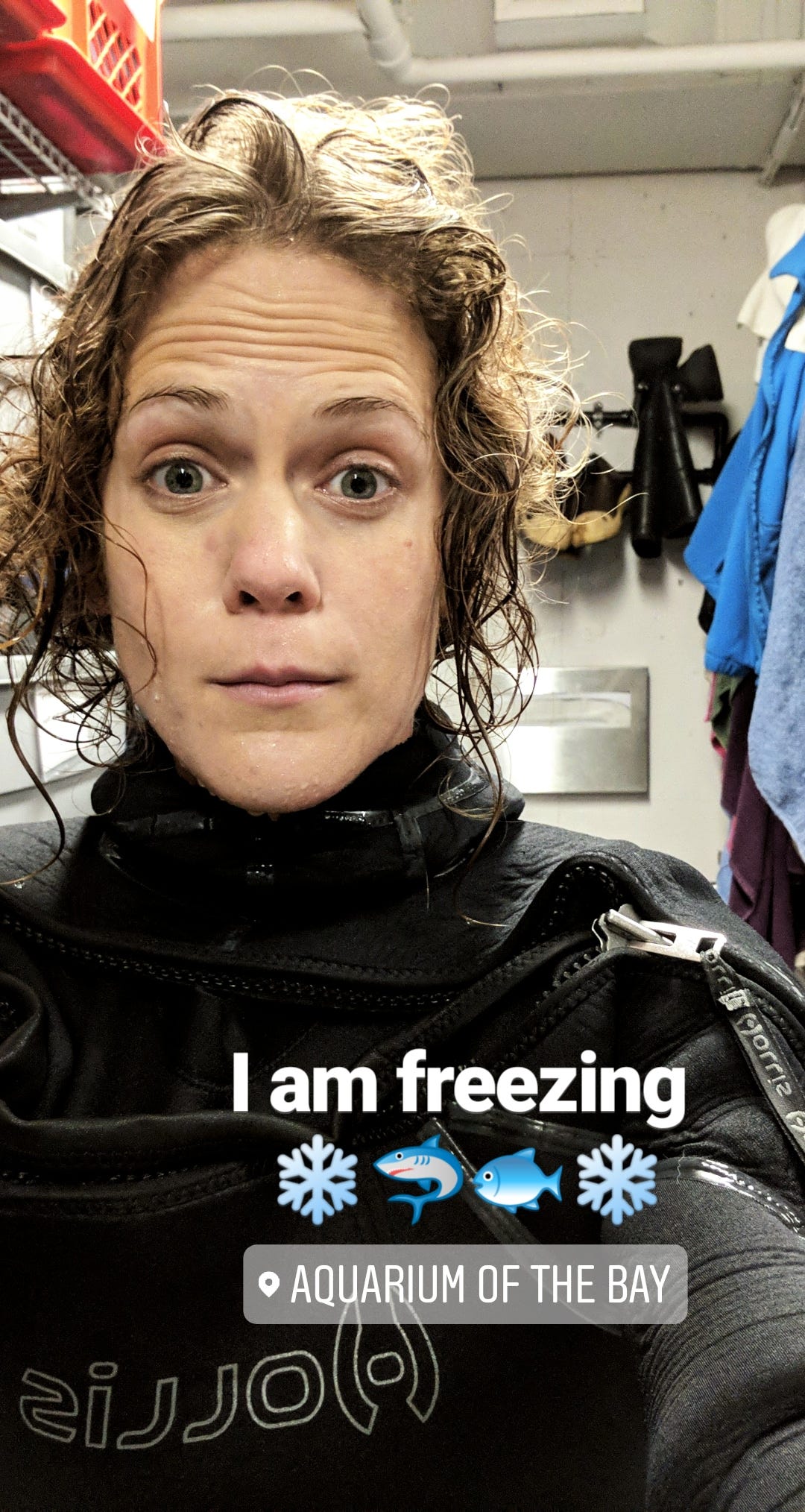
I was volunteering at the San Francisco Aquarium as a scuba diver. I was a dive volunteer in the shark tank. I would feed the sharks, feed the bat rays, feed this massive bass — gosh, she was like 200 pounds. It was amazing. I loved it. I would have paid to do it.
I’m a good businesswoman, so I did it for free.
And it was October, so it was very cold. I’m wearing a seven millimeter wetsuit, hood, gloves. It’s freezing, and I’m in this perfectly clear water with guaranteed fish sighting. And I’m floating in there and I’m thinking, “What am I going to write my book about?”
The competition people suggested: write about what you love. Well, I grew up in Florida. I love the ocean. I can name so many fish.


So as I’m floating there, feeding this massive bass, I decide I want to write about the ocean. I want to write about climate change. I want to write about the beauty of the ocean.
But then I’m like, okay, well, if I want to write about climate change — that’s not a beautiful ocean. That’s an ugly ocean.
And you don’t want to scare people without giving them the hope.
So as I’m floating there, I get this idea for two worlds. This climate devastated world, and this beautiful, pristine ocean world. Manufactured a little bit, like the aquarium I’m in.
The movie that convinced me I was being watched
As a side note, I will say: growing up, I — I’m not going to say loved — was traumatized by The Truman Show.
I watched it as a kid, and for years after I was convinced I was in The Truman Show. And my poor parents. I would go into the bathroom and talk to myself and be like, “Ha ha. I know you’re watching me. Ha. There you are!” I would look at pillows, I would look in the mirror, and I would always perform as though someone was watching me. Because of this dang movie, The Truman Show.
So let’s combine these worlds — this ruined world, this beautiful ocean world, and a little bit of Truman Show. And that’s what became my book.
The folder I hadn’t opened since 2019
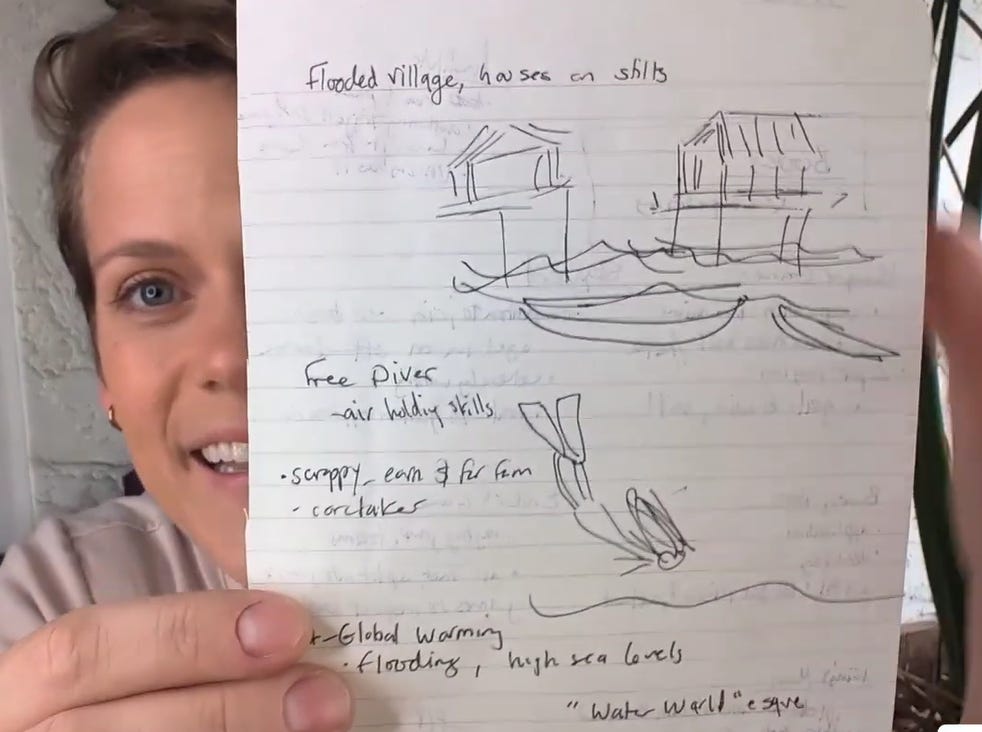
I pulled out this folder that I haven’t looked at since probably 2019, 2020. I’m going to show you some drawings.
I am not an artiste. But you can see this is my beautiful village — houses on stilts, canoes, and a free diver.
Two minutes of holding my breath in Tulum
I actually took free diving classes for this book. I went down to Tulum, Mexico with my boo thing — and was it a vacation, or was it torture?
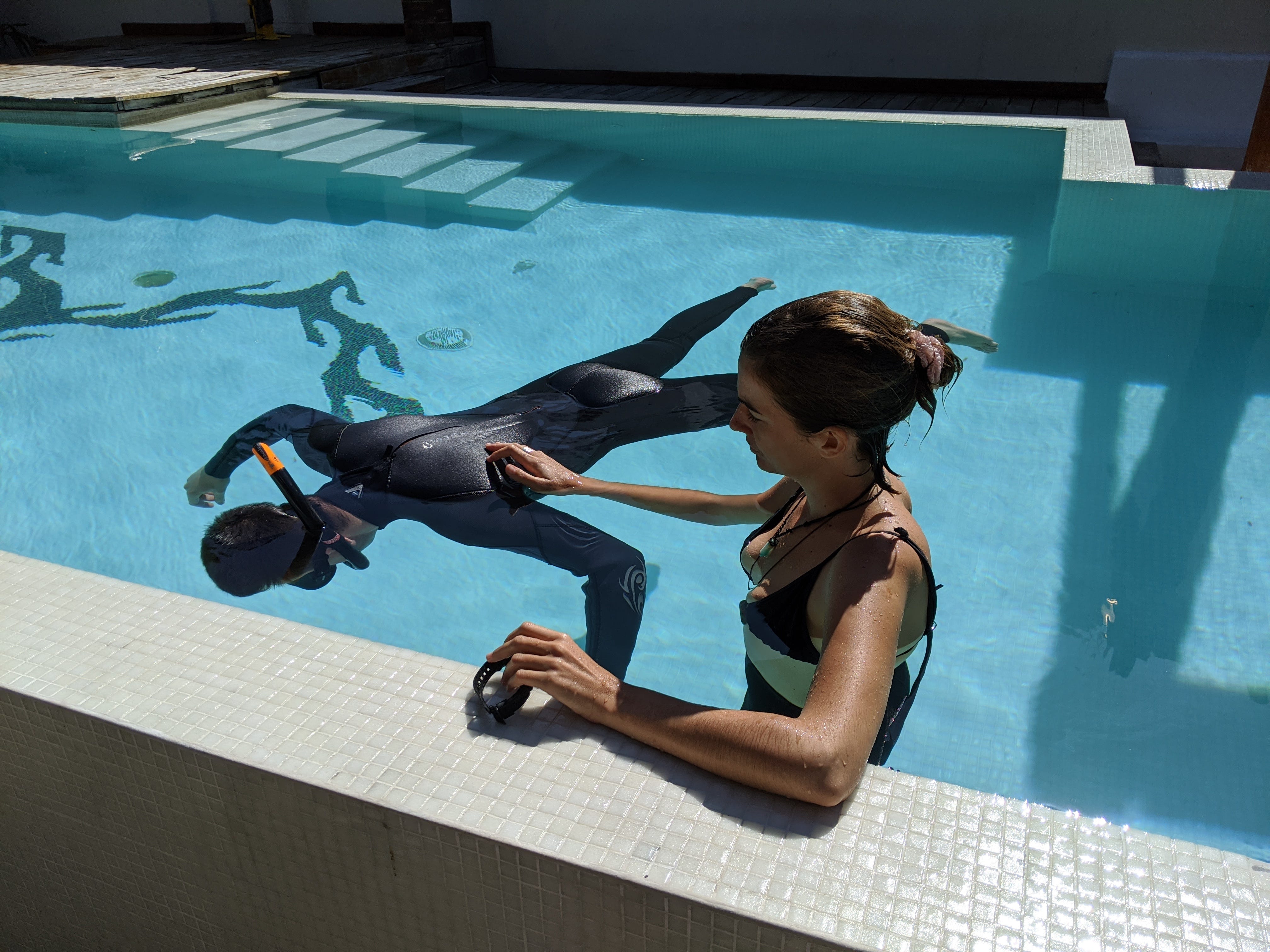
She basically would put us in the pool and put her hand over our head. And as your body runs out of oxygen, you get this thing called the urge to breathe. It’s mentioned in the chapter — where your body actually spasms. If you’re not used to it, you panic and you try to breathe. But free divers can actually push through that spasm. You can have that urge to breathe two or three times, maybe more, and still hold your breath. And it really is because your body’s not used to the high CO2 concentration as you’re using your oxygen.
So David is face down in the pool. I’m face down in the pool. We’re both spasming.
And that was a beautiful vacation.
I actually held my breath for two minutes, and then we went into the cenotes, and I dove down to 60 feet on the first day. Y’all, anything is possible. Professional free divers can go way deeper for way longer. It is so cool.
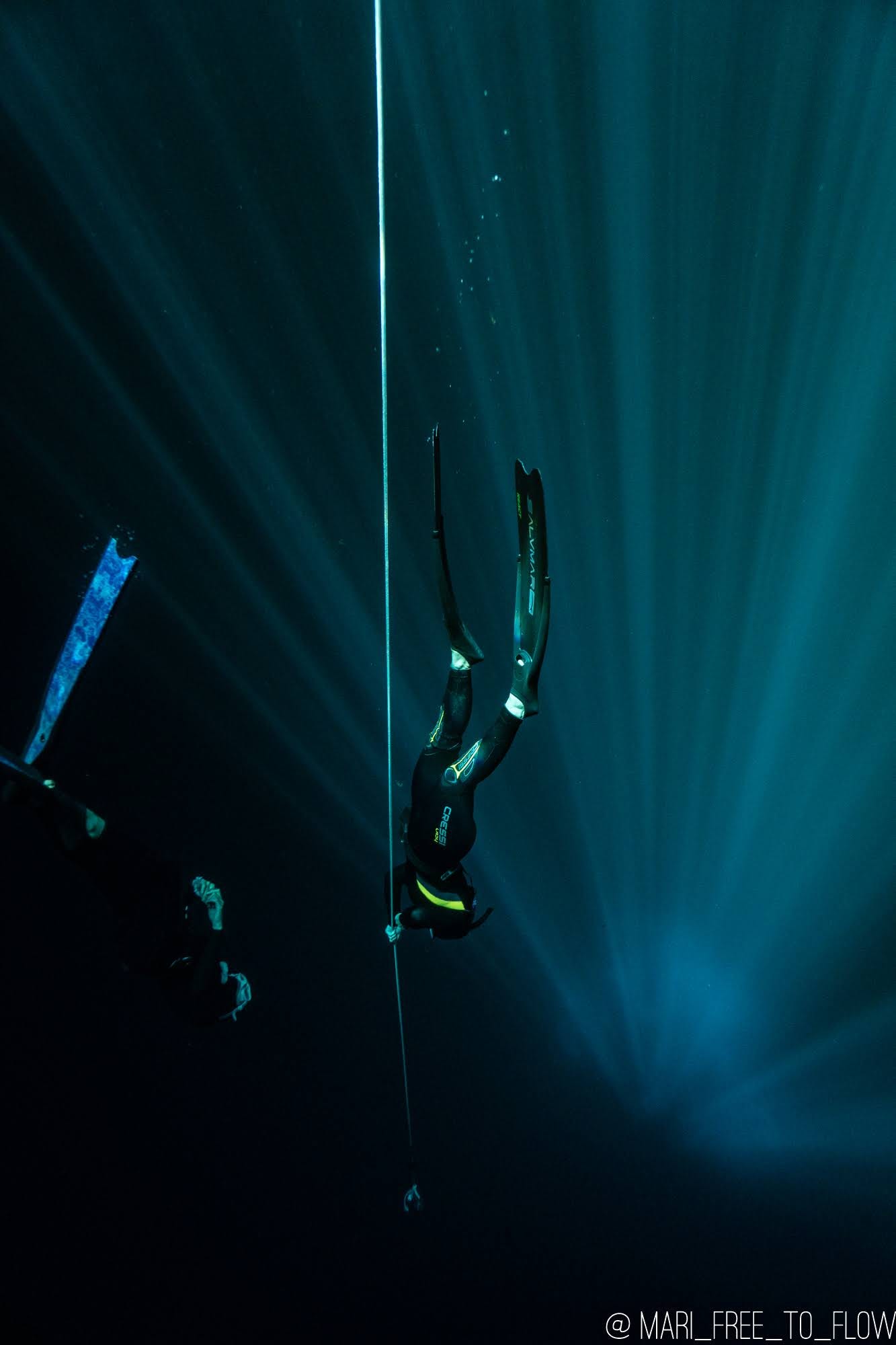
As you read the chapter, you’ll hear these mentions of the urge to breathe. It’s that spasming, the mental tricks of how you distract yourself. And then even when you come up, there’s a very specific recovery breath process so that you don’t pass out. As you come to the surface, you’re always supposed to grab onto something, because you can get these shallow water blackouts right when you come up and your lungs expand.
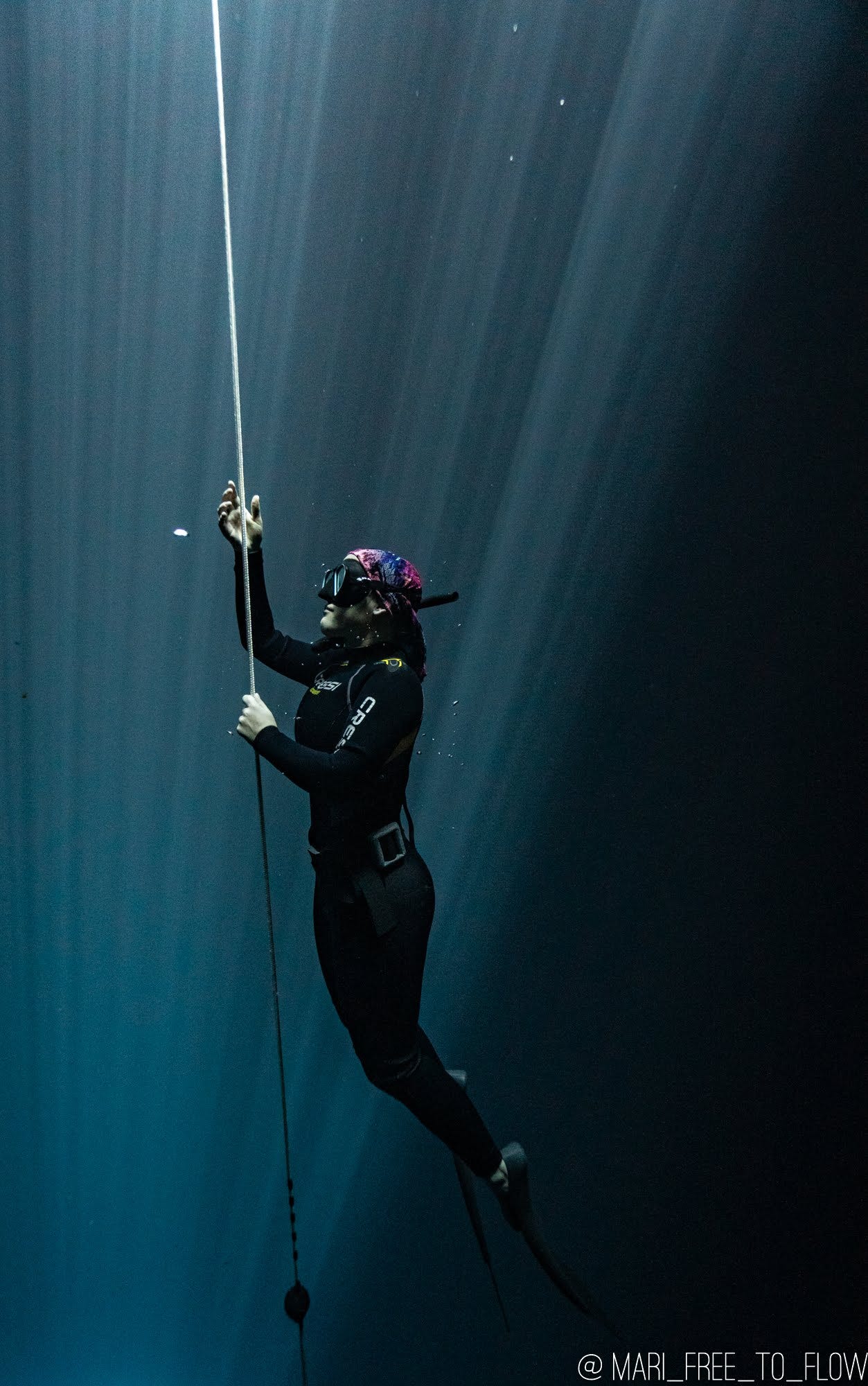
There’s so much I could talk about here. It’s funny, because this research I did only shows up as like a sentence or two in the book.
But I know all the knowledge.
I am the iceberg, y’all.
Also, it was a business expense and it was very fun.
The tiny fish I killed, and the sunburn I earned
I also did spearfishing courses. I did one in San Diego where it’s a Hawaiian sling — it’s basically a stick, but you have a rubber at the end so you could make it bounce a little. It’s not like a big spear gun.
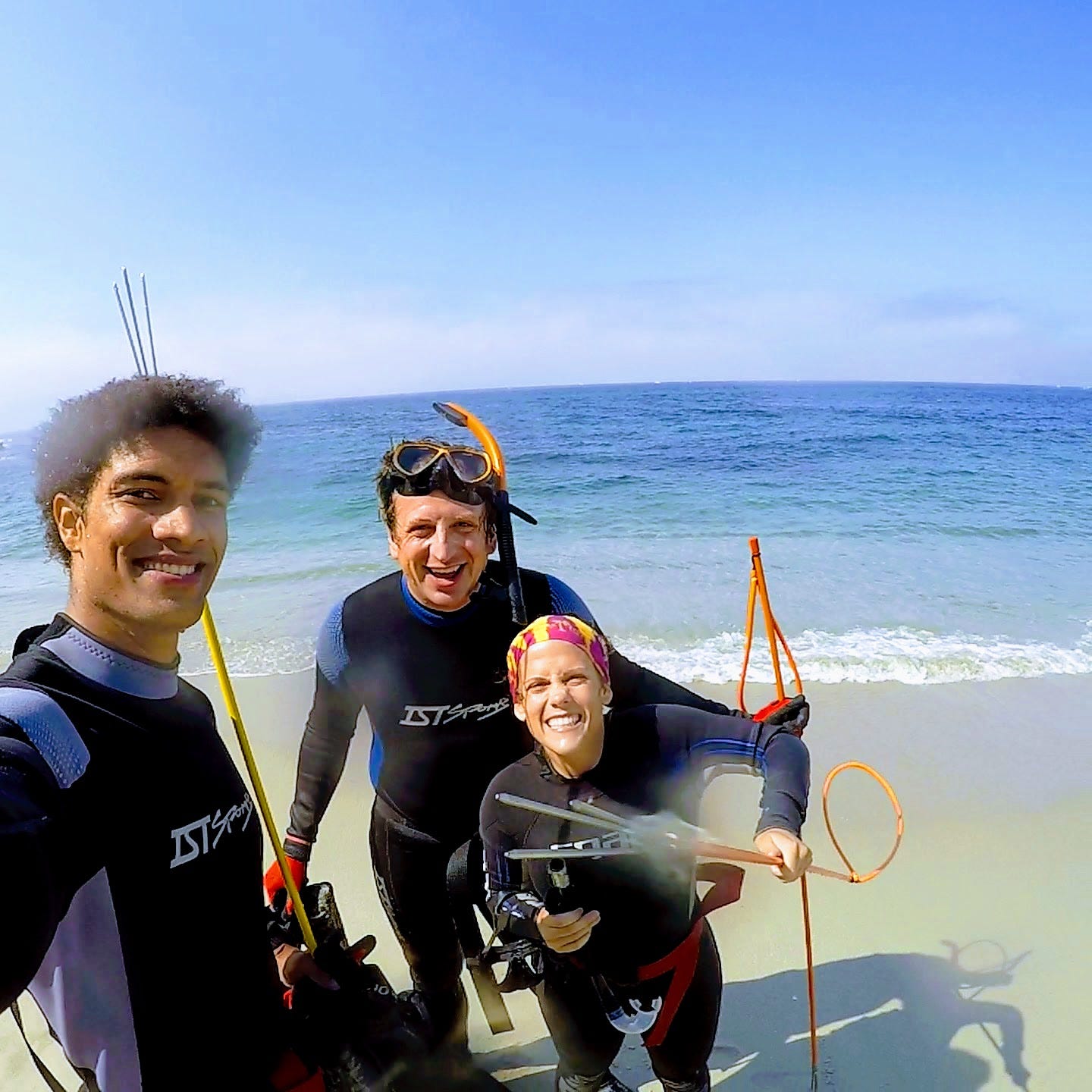
So I did that. I think I killed, like, one fish, that was this big. Hurt my ego a little bit.
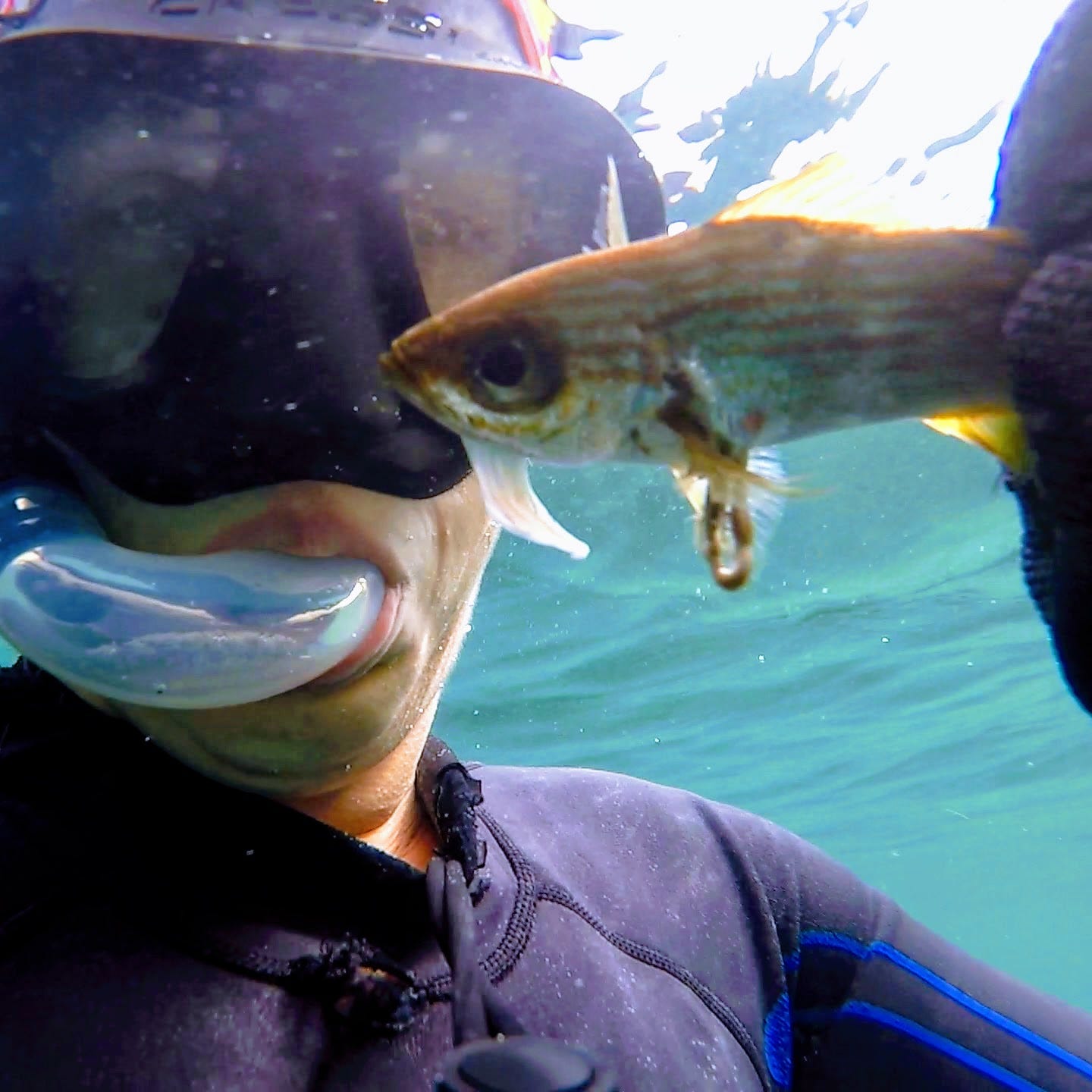
Then I went down to Mexico with a spear gun, and I loved it. It was so good. David and I went for a half day, and we’re wearing these half wetsuits. And I loved it so much that at half day, I said, “Can we keep going?” So we paid, and we did the full day.
And at the end of the day — well, first, we had a ton of yummy fish, and we went to the marina, and they cook it up for you at the restaurant, so it was so good.
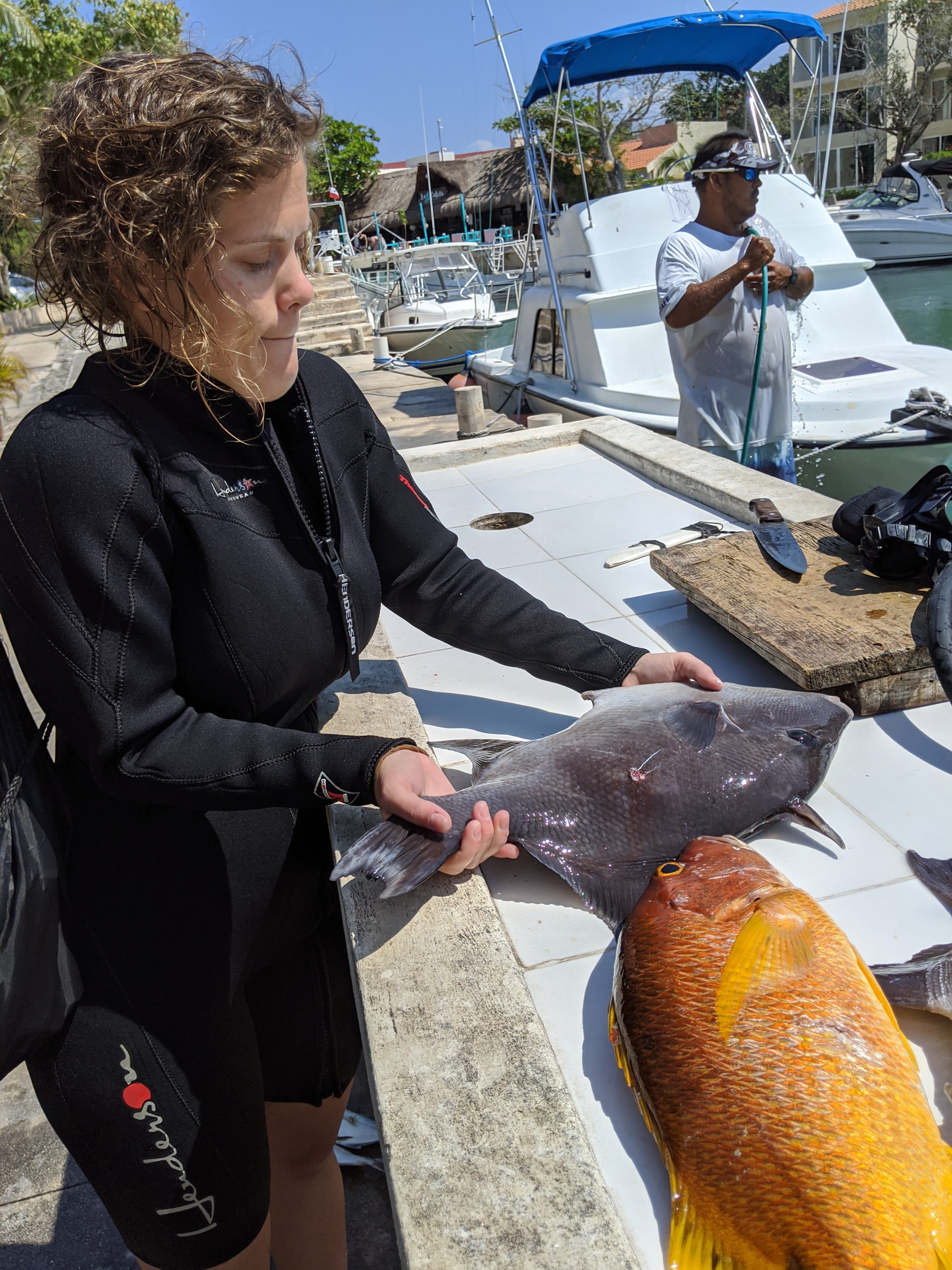
But we were also so sunburned. Because you’re floating on your stomach in the water looking for fish, and when you see them, you dive down. You’re freediving. It’s exhausting. It’s a sport, because you’re not scuba diving as you do it. So you’re diving down, you’re trying to find the fish, you’re trying to shoot them — but when you’re on the top, the sun was just cooking my legs.
I’ve never had a calf sunburn except for that time, and it was a red line.
The sun clock nobody cared about but me
This one is one of my research rabbit hole failures. Aw, poor me.
It’s in pencil, so it’s going to be hard to see. But I mapped out a sundial. Because how are these people going to tell time in this primitive society with no technology? So I researched sundials and how I would build one, and I looked up the latitude and longitude of my island.
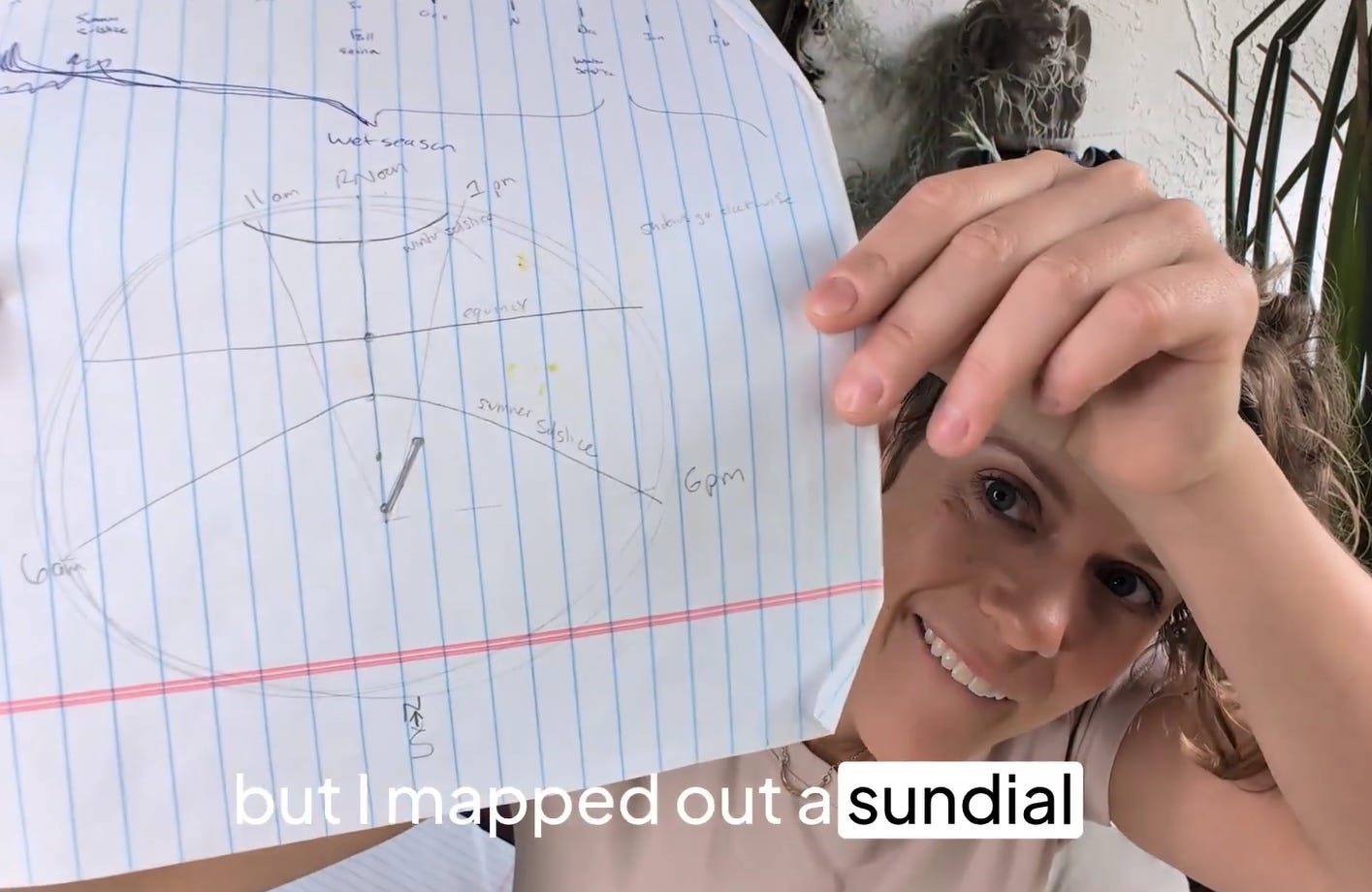
You can see — 6:00 AM, summer solstice, equinox. Because it changes during the year. They’re very complicated.
So I had, like, a whole two paragraphs explaining this clock.
And no one cared as much as I did.
But if I’m ever stranded on an island, I will — no. I don’t remember this, actually. This was years ago.
So I ended up cutting the sun clock, because it was really complicated, and no one really cared enough that my sun clock would change during the wet season and the dry season and the winter solstice. And how do I even use the words for that?
Instead, I found another primitive time-telling technique where you use your hand relative to the sun — how many fingers from the horizon, and how many hands, was a way of telling time.
So in the first chapter, there’s someone who brings their hand up to see how long it’s been, and they’ll mention fingers and hands. That’s a time-telling technique. You can see relative to earlier how much the sun has moved.
A village on stilts, and the UN project it came from
Like I said, I’m building this above-water, no-technology village. It’s really not an island. It’s just stilt houses and walkways, because there’s no land left.
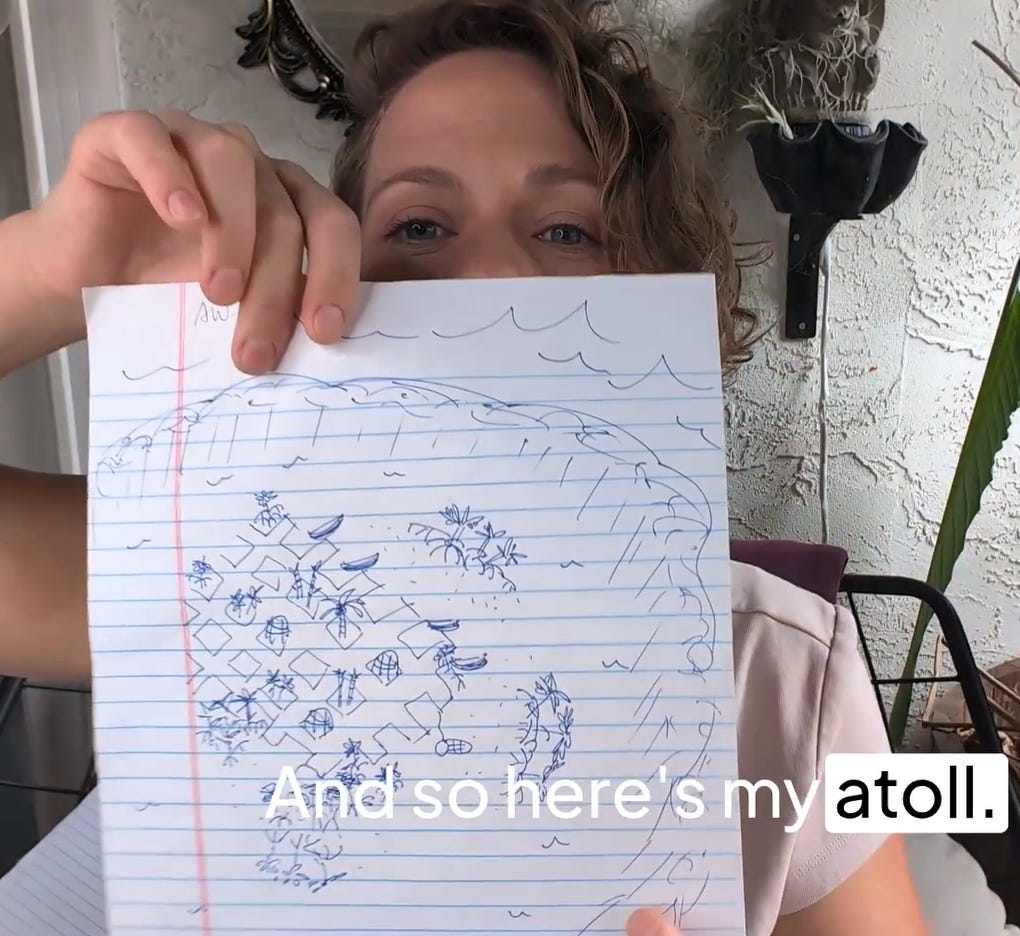
Here’s my atoll. That’s the coral atoll. Here’s my village of grids and walkways and canoes and huts.
But the coolest part is that I researched and found this United Nations project proposing mangrove villages that looked very similar, and they had suggestions for how to build these coastal villages and use mangroves to protect from erosion.
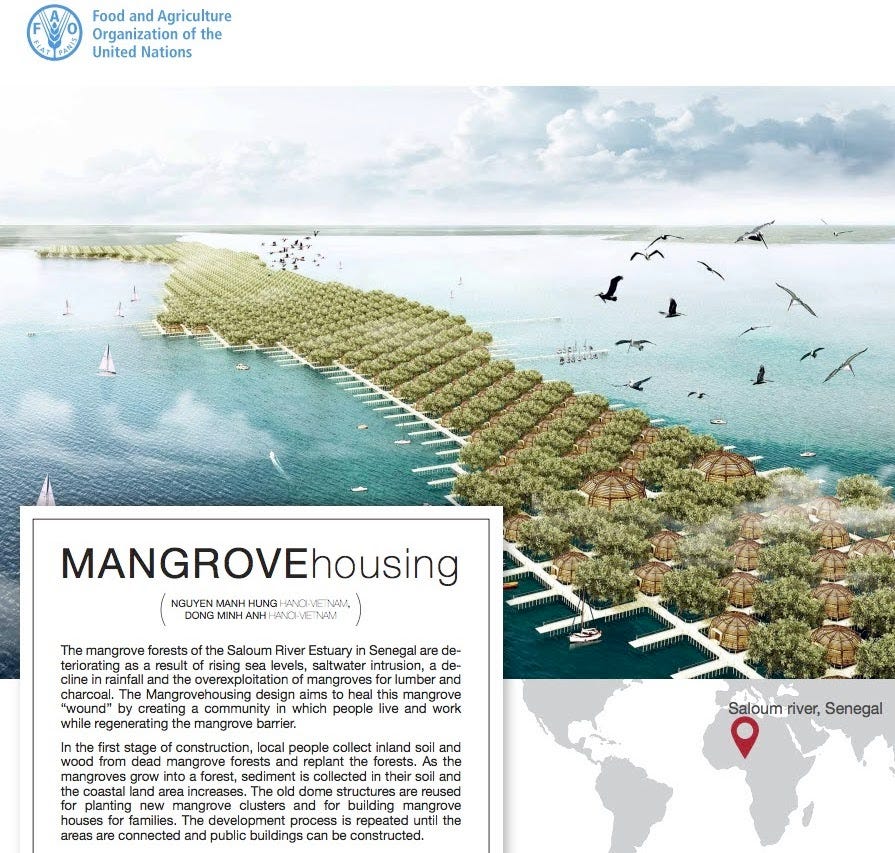
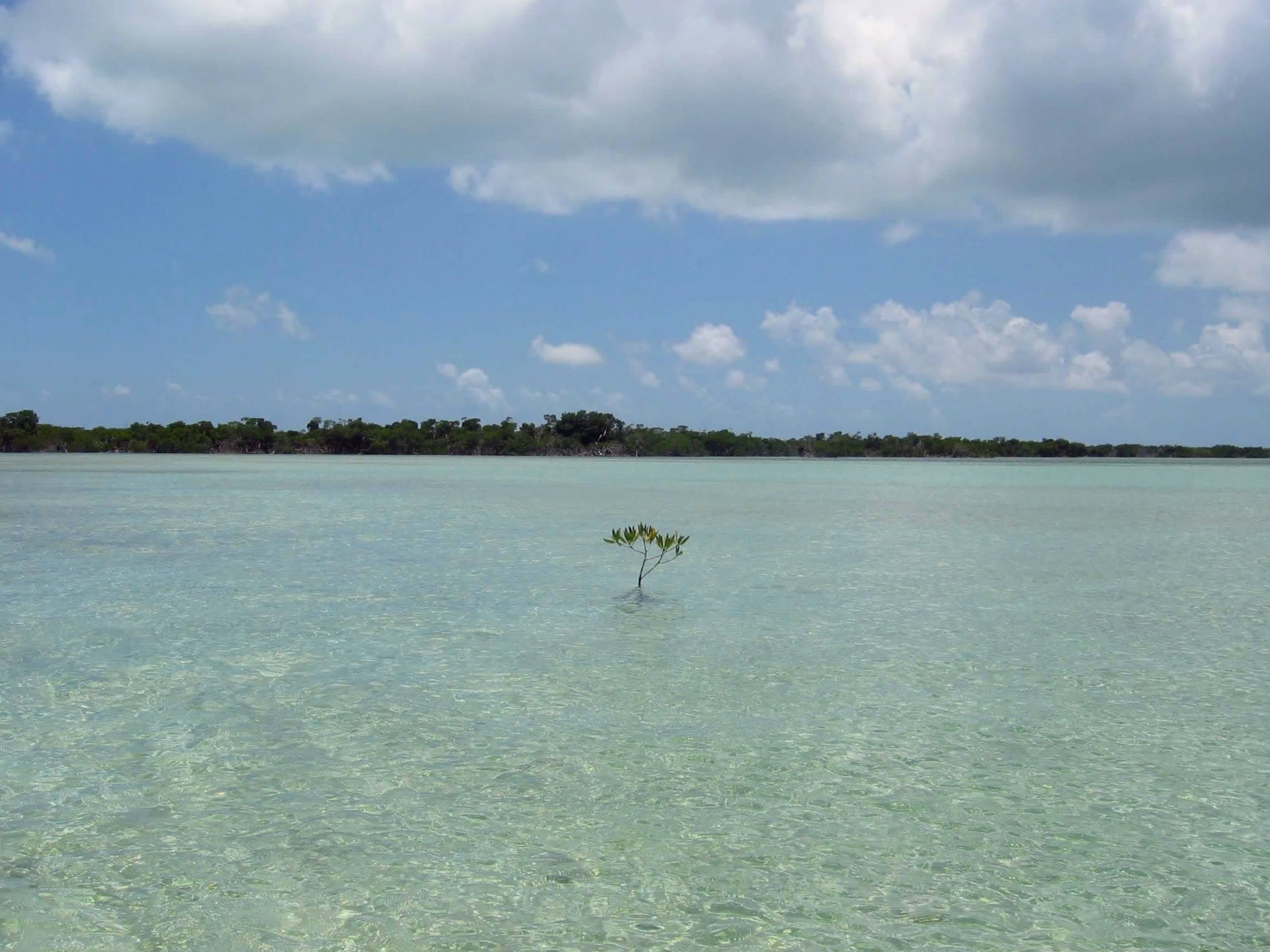
I grew up in Tampa, Florida. We went to Southwest Florida a lot, and there’s all these mangrove islands. So finding this village mock-up of these mangrove islands was exactly what I wanted.
And so that is what this is based off of — basically an island of walkways protected by mangroves.
The crabs my dad knocked onto my head
In that first chapter — again, it’s only a line — but she canoes through this mangrove tunnel.
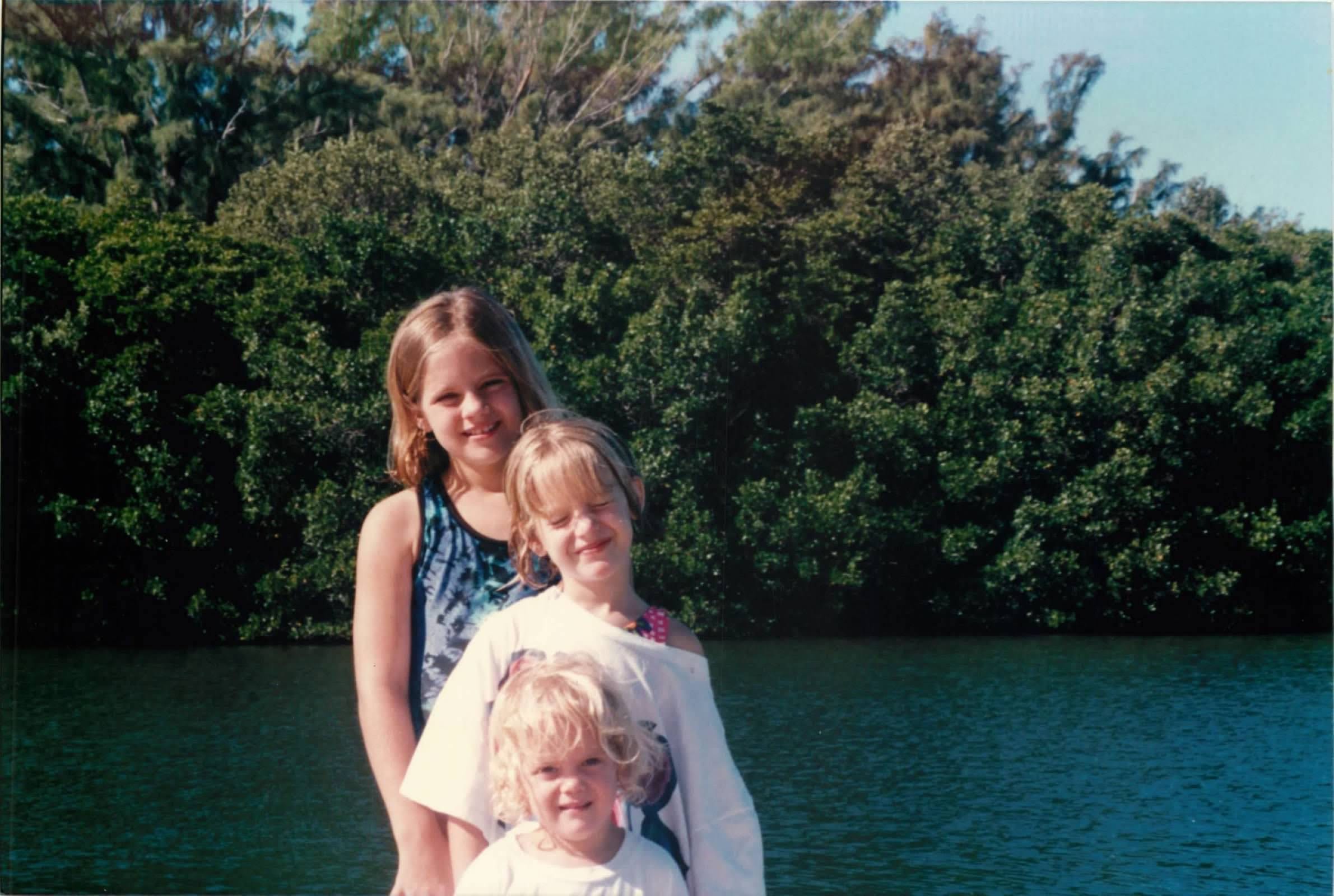
Where I grew up, there were these mangrove tunnels, and we would go canoe through them, and they’d be covered with these tiny little brown mangrove crabs. And we’d scream, because if you touched them they’d all fall down on your head. So of course my dad would hit the paddle and make them all fall down on our head.
I originally had that in the scene, and now all you get is a mangrove tunnel and some crabs later.
But I just need you to know that that is from real life. Crabs falling on my head.
Everything that grows on this island
This is another point where I researched too hard, because I decided I needed to know every single possible material available on the island in order for them to be self-sustaining.
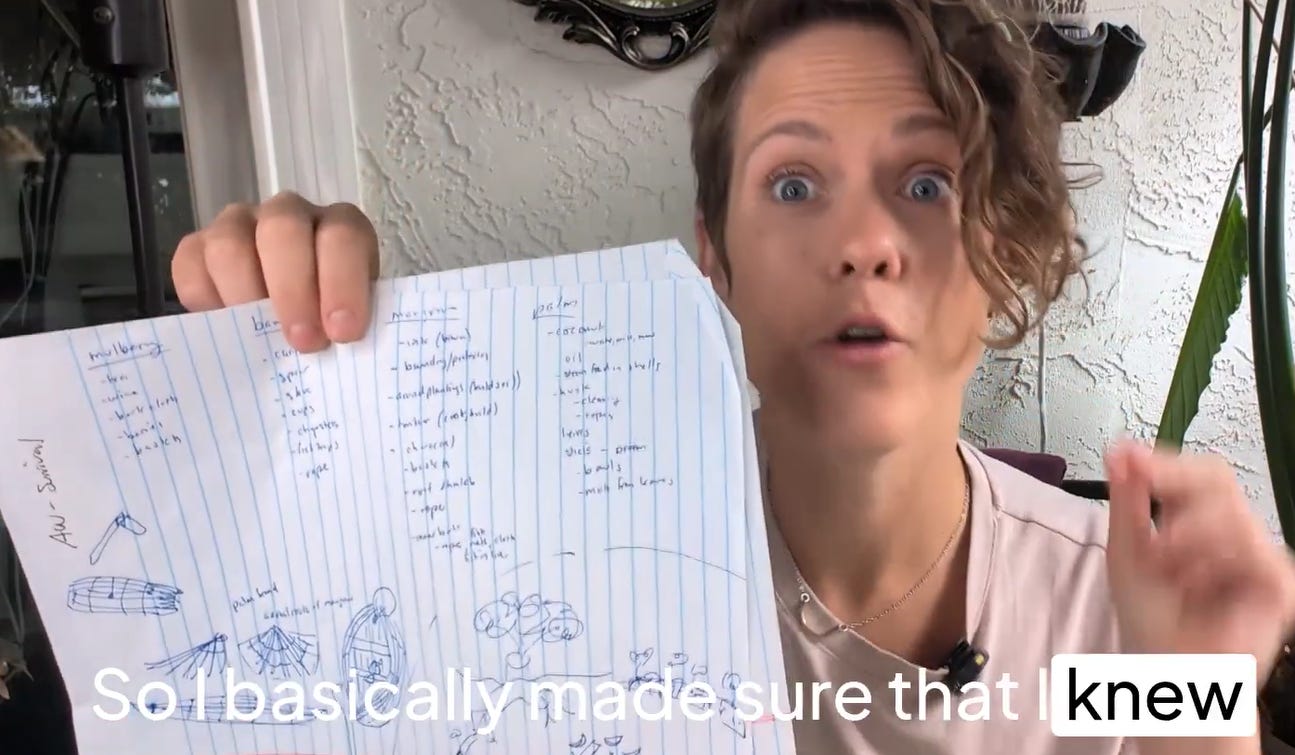
So at one point, I defined their entire ecosystem.
Mulberry for tea, wine, barkcloth, berries, baskets. I haven’t looked at this in years.
Bamboo — you can make canteens, spears, cups, chopsticks, fish traps, rope.
Mangroves — boundary protection, you use it around your plantings, roof, rope. I can’t read a lot of my writing, actually.
Palm — coconuts, the oil, the husk, the leaves.
I basically made sure that I knew everything that grew on this island so that they could build all of the things they needed to build. Which involved YouTube videos where I learned how to make rope out of coconut husk, because I was like, “If I’m going to mention rope, I need to make sure they can make rope.”
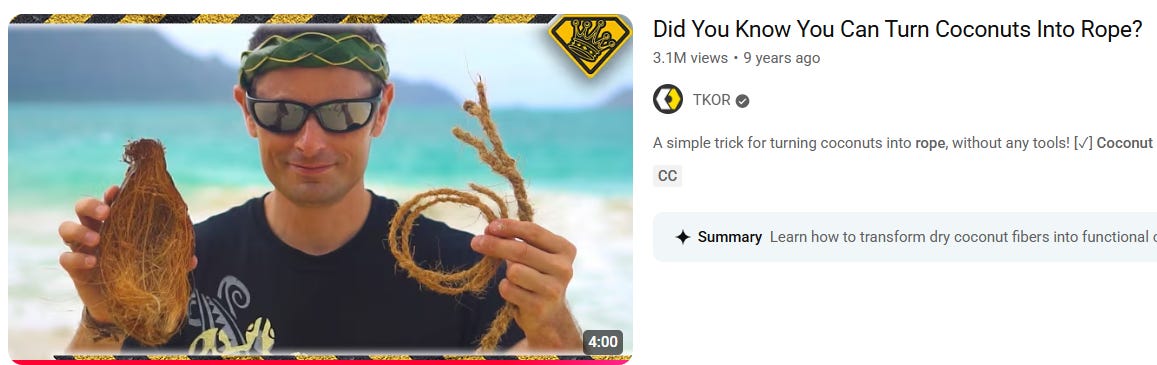
Again, it’s not on the page. But I need you to know that I can — well, I can’t, actually. I’ve never tried it physically. But I know it’s possible to build rope out of coconut husk. It’s just like this, right? Easy.
What were other YouTube videos I watched? Okay. I watched one for a conch call. Brr. I watched it like six times on repeat so I could describe what a conch sounded like. So David comes home and I’m just blasting brr, brr, this conch call over and over again.
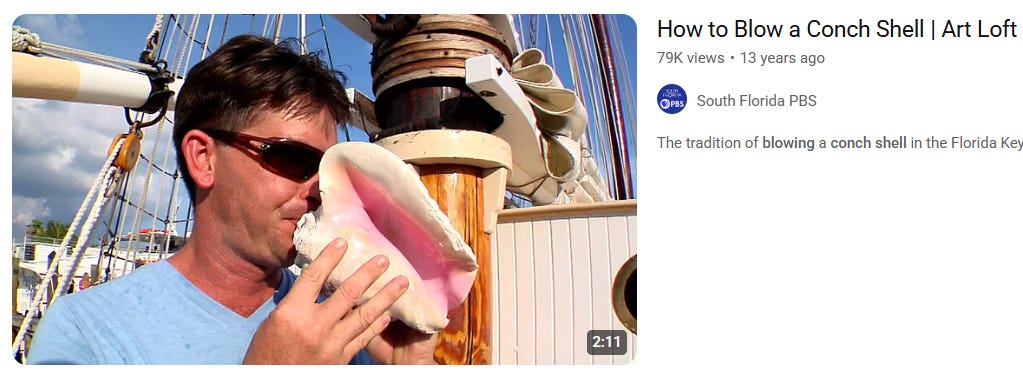
And of course, again, it doesn’t even make it in the book. I just tell you there’s a conch call.
But brr. So cool.
And then I also learned how to climb a palm tree. Again, theoretically — I haven’t tried it myself. But I actually watched videos of people using these climbers, these strips of fabric between their feet to keep them tight, and then just hopping up a tree. Just going up it.
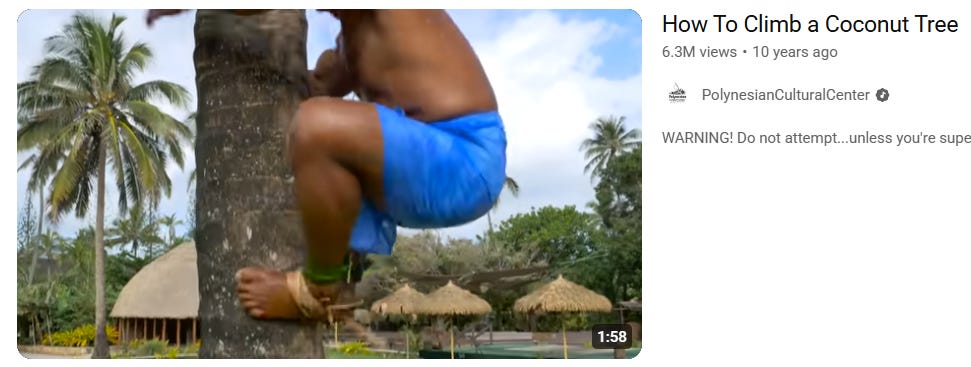
So I feel like I can climb a palm tree. Like, if someone needs a coconut and gives me a climber, I will try. But I can describe it in detail thanks to YouTube.
Y’all — everything you want is on YouTube. People do a lot of things and record it! ( As evidenced by me, here)
Named after a sea slug
Another fun one I want to mention, and I love this, because it shows how important little comments that people will say can change a whole story.
Originally, my main character was named Eugenie, after this marine biologist who — I think — queen of the sharks. Gosh, I’m forgetting my own research. And Relfy was named So Yun, because she’s named after a Korean astronaut.
I’m telling David about this, multiple drafts in, and he says: “How would your island with no history and context of race and countries — how would they know to name her the Korean word So Yun?”
And I’m like, “Well, shit. They wouldn’t.” They would have a completely different naming convention.
And that’s how I came up with naming them after fish. So Easla is named after a sea slug. Relfy is named after a squirrelfish. Dams is damselfish.
I was like, “There’s finally a use of me being able to name every fish ever!”
It was so fun. But how cool is that — that someone flagging this “wait a minute, that doesn’t make sense in your world” helped me pivot to something that really deepens the world and shows you how ocean-focused they are.
He didn’t come up with that idea. But he flagged that it was off, and then I came up with that.
The Mandarin Chinese word I couldn’t stop thinking about
Another fun one, on the social hierarchy side, is given to.
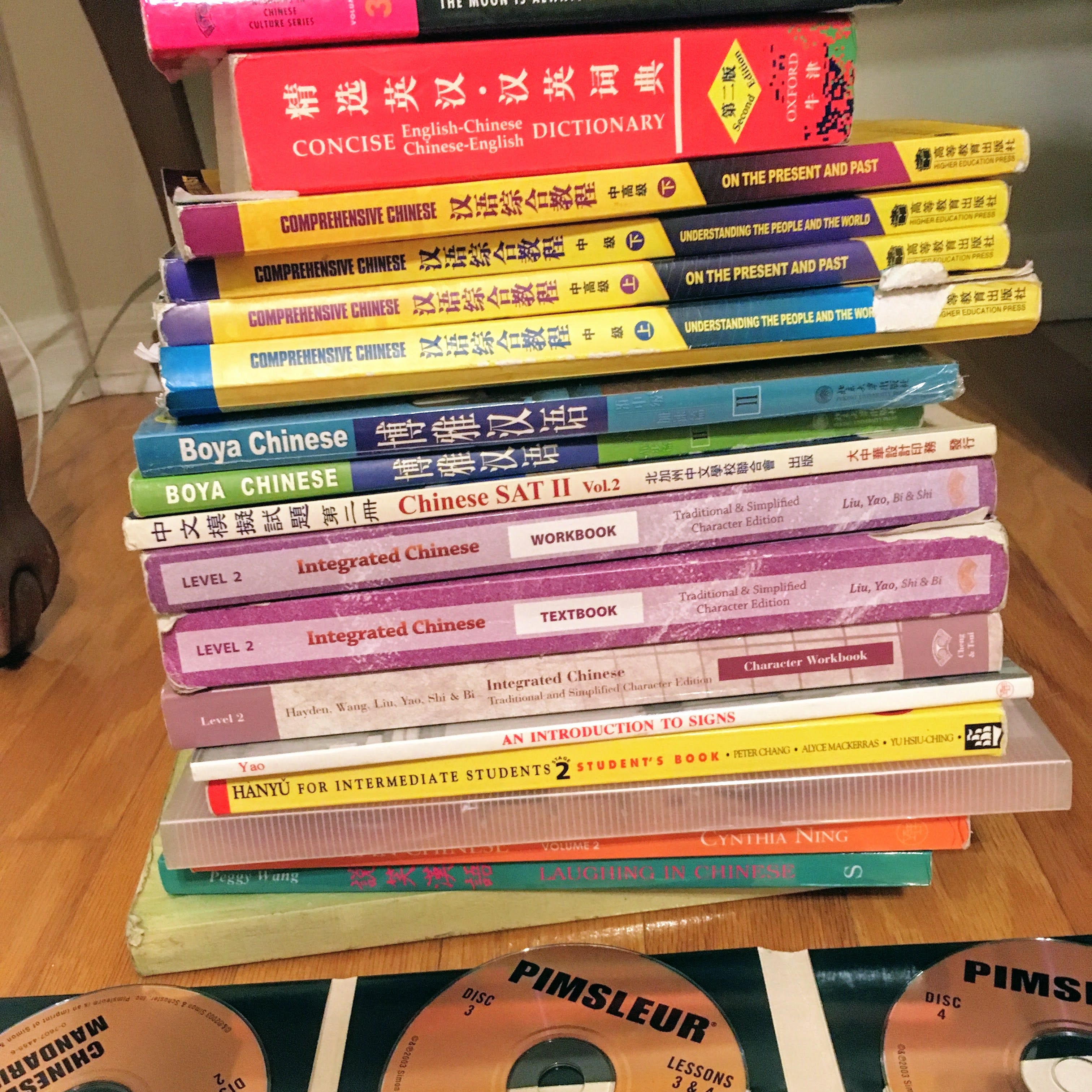
I have studied Mandarin Chinese since eighth grade, and I forget which year this would’ve been, but I learned the word — shoot, I was going to look up the tones before this, but I didn’t — I learned the word jià gěi.
Jià gěi means to be married, but it’s specific to a woman. So if a man and a woman are married together, it’s jiéhūn le. They got married. But if a woman marries a man, she is jià gěi the man. She is given to. Gěi means to give. So jià gěi — she’s given in marriage to this man. But when they’re married, it’s jiéhūn le.
And I remember being really thrown off by that.
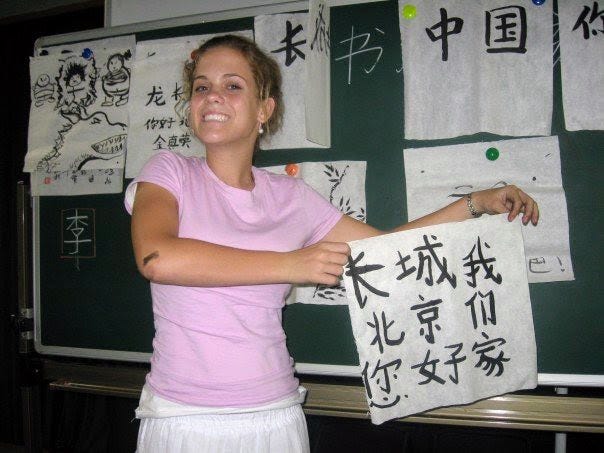
Look, this isn’t against Chinese. Most languages have some type of gender nuance here. But I was like: “Why do I have to be given in marriage? Why can’t I be married? Why does the man get a different word than me? I don’t like my word.”
And that really stuck with me.
So as I created this island and the hierarchies, and accounted for different factors that you’ll learn about as you read the book — well, if this is happening to the island, how would it affect these dynamics?
And part of it became this dynamic that the women are given to the men. That phrase is just my direct translation from Chinese, that they are given to in marriage. They are jià gěi le.
But again — words mean a lot. So if you’re going to give them to, how does that affect everything else in society?
May It, May We
That’s just a quick top of my head. As I read through the chapter, I wrote notes on fun things I wanted to show you. That is most of them.
The one I would end with is that the title of this book actually changed.
The original title was MAY IT PLEASE THE SEA — it referring to the sacrifice. They’re trying to please the sea with the annual sacrifice.
And as I wrote the story and realized the themes of this girl — which is not a spoiler, because you can tell it in the first chapter — she is so committed to pleasing others and following the rules and blending in.
So it’s not it. It’s actually we. May WE please the sea.
Who are we when we’re not trying to please society, and the gods, and whoever holds the power?
That creepy prayer, I’ve had since draft one. I think on the first page I sat down and was like, “I’m going to write a creepy prayer.”
And now it has evolved to:
The Gods Save the Pious.
May We Please the Sea.
That was your director’s cut for Chapter One of MAY WE PLEASE THE SEA. I hope you liked it.
If any of this interested you, obviously I have a lot more knowledge on these topics — so let me know what you want me to dig more into.
🌊❤️, Caroline

Loved this Director’s Cut for Chapter 1?
Subscribe to get the next chapters of MAY WE PLEASE THE SEA sent straight to your inbox.
Know a reader who’d love this? Share this Director’s Cut with them! Word of mouth is the absolute best marketing.
And go back and read Chapter 1 if you haven’t yet!